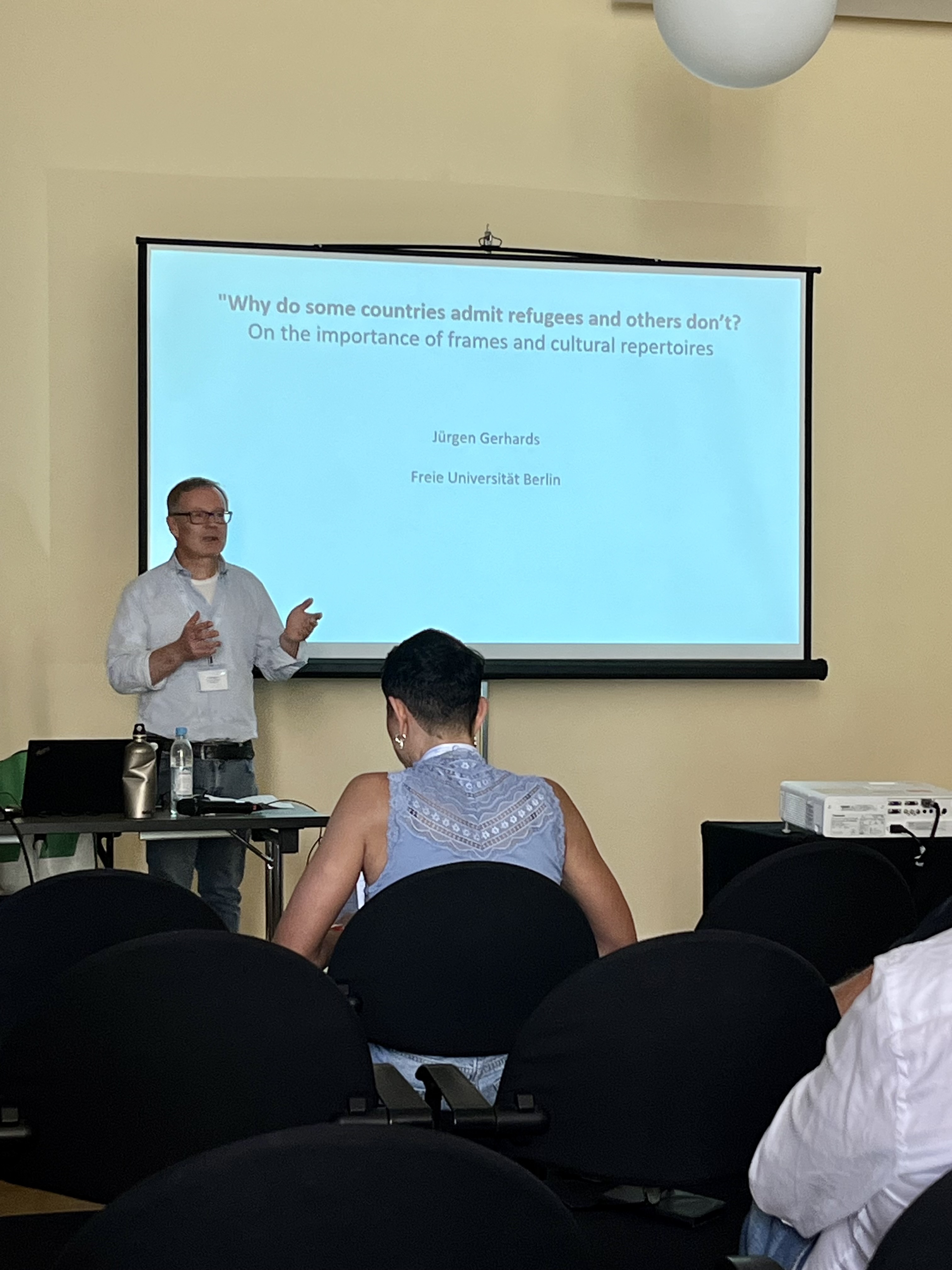
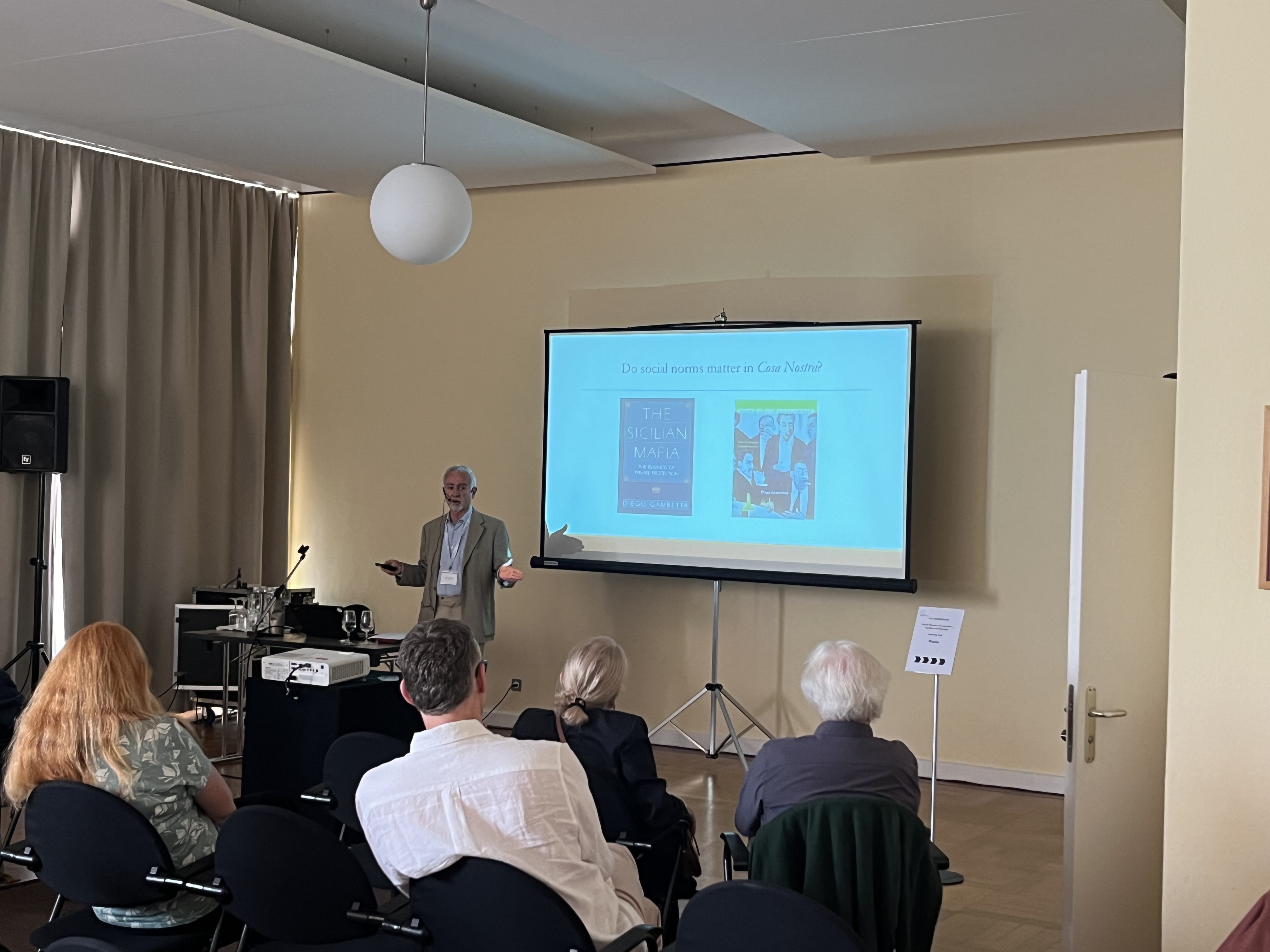
Social Norms Conference 2027

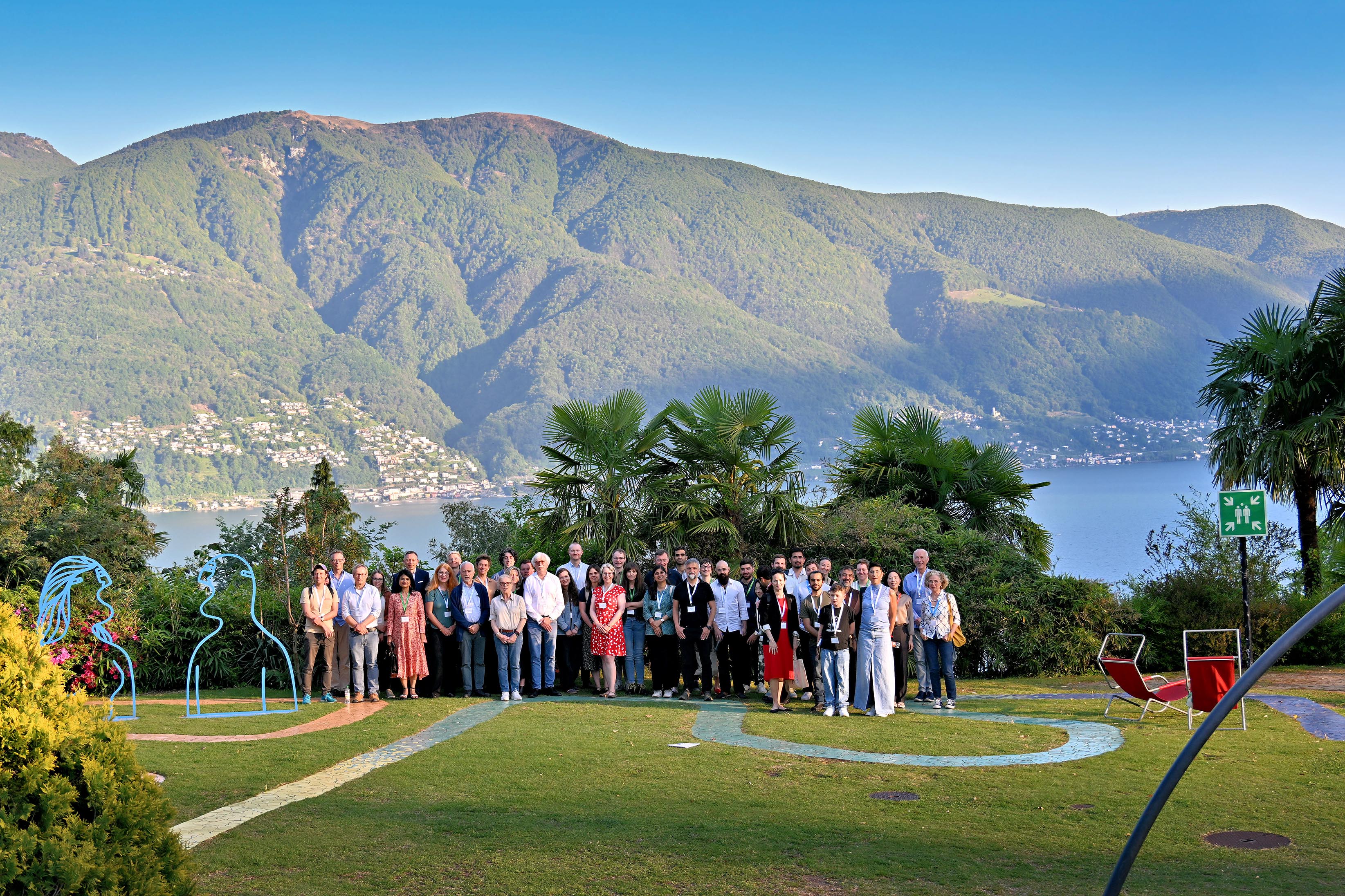
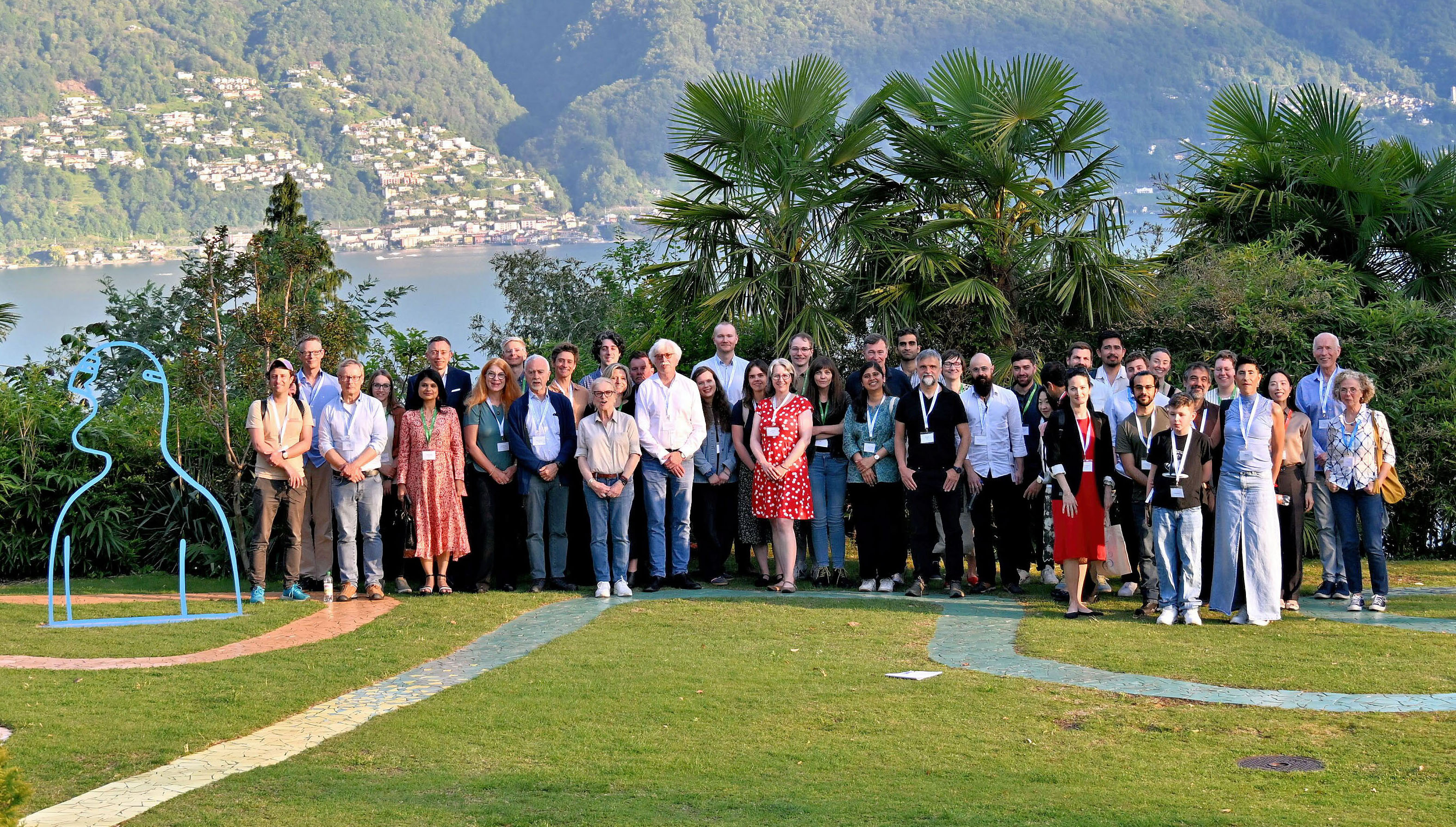
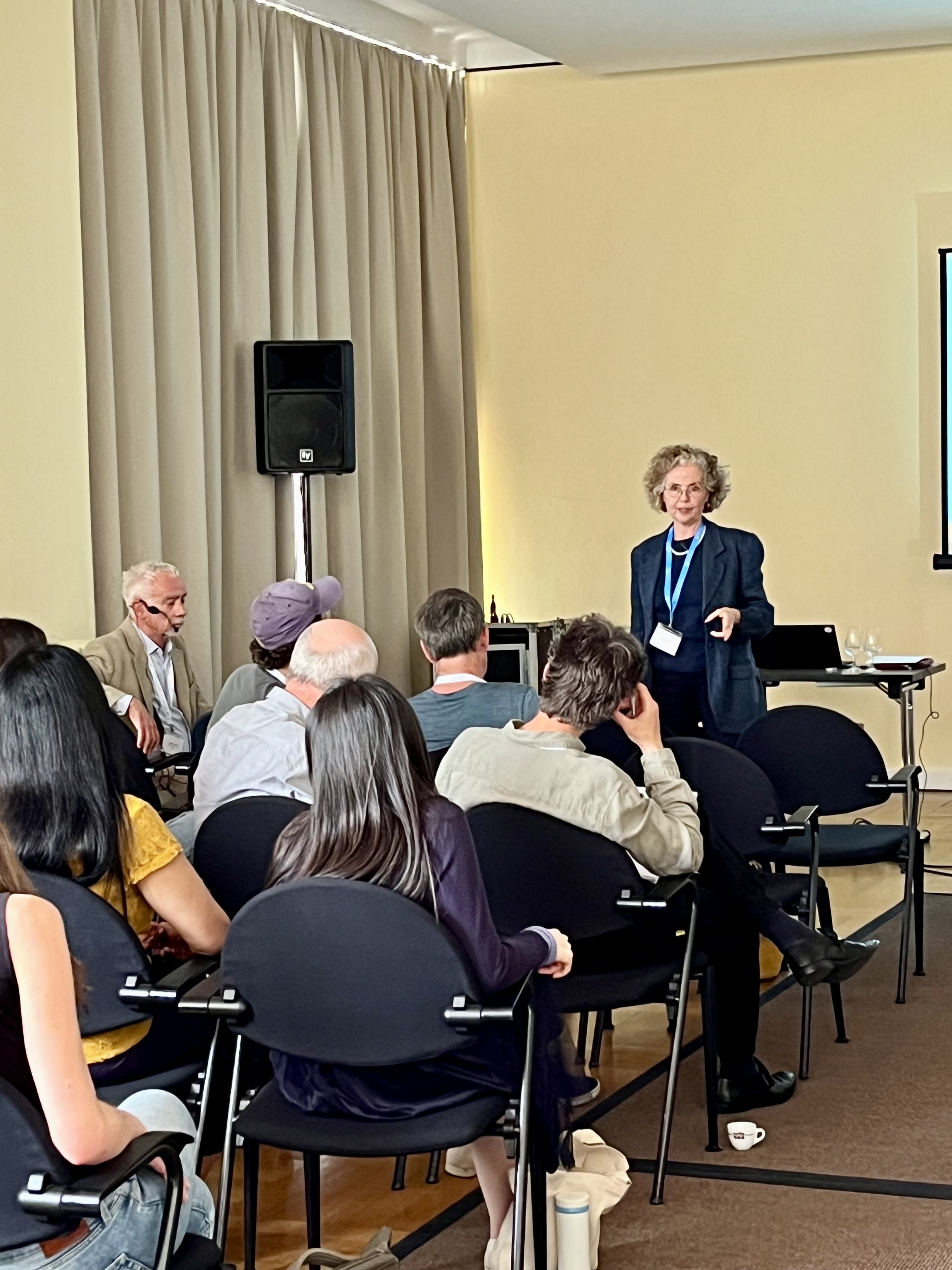
Conference at Congressi Stefano Franscini (CSF), Monte Verita, Ascona, June 20 to June 25, 2027 on
Social Norms
Their role and significance in the climate crisis and the energy transition
Organized by Andreas Diekmann, University of Konstanz & em. ETH Zurich, and Jörg Rössel, University of Zurich
Call for papers
The importance of social norms for climate-related behavior by individuals, companies, and other organizations is increasingly recognized in the social sciences. Social norms play a role both in mitigating the extent of climate change and in adapting to its consequences. Research on social norms is highly interdisciplinary. Since at least the classic works of Emile Durkheim, the term “social norm” has been a core concept in sociology. In psychology, the study of the influence of social norms on individual behavior has a long tradition, and since the establishment of behavioral economics, economists have also contributed to predominantly experimental research on norms. In philosophy and game theory, not only have definitions been sharpened, but new work on the experimental analysis of the emergence and change of norms has also been stimulated (Ullman-Margalit 1977, Bicchieri 2017, Brennan et al. 2013). Numerous studies are now available that address the emergence, stability, and change of social norms using different models and methods such as simulation, survey studies, laboratory and field experiments, case studies, and evolutionary game theory models (Young 1998).
The conference is interdisciplinary and relates norms research to climate change. The climate crisis can be conceptualized as a global common-pool resource problem, as a social dilemma (Hardin 1968, Ostrom 1990). Norms can counteract negative externalities and thus create a social optimum, or at least approximate it (Coleman 1990). Examples for this mechanism can be found in the work of Bicchieri, which focuses in particular on expectations about the behavior of others, descriptive and normative expectations. In addition, Cialdini (1998) has initiated a large number of studies on individual environmental behavior with his distinction between injunctive and descriptive norms. Much of the research focuses on the influence of social norms on energy conservation (Allcott 2011, Liebe, Gewinner, Diekmann 2021; Steg et al. 2021), but consumption styles (Rössel and Weingartner 2016), recycling, mobility and many other climate-related activities of individuals and organizations are also influenced by social norms. One example is the study by Curtius et al. (2018) on the possible influence of descriptive and injunctive social norms on the adoption of PV systems and the process of diffusion of solar panels. Nolan (2021) provides a general description of “social norm interventions as a tool for pro-climate change” in a review article. He highlights specifically the role of beliefs about other people's “beliefs” about climate norms. The misperception of other people's beliefs is also the subject of a study conducted in 125 countries by Andre et al (2024). The majority of people support climate norms but believe that others are less likely to do so. This misperception (“pluralistic ignorance”) can inhibit climate action because many people will cooperate only if they believe that others are also willing to cooperate.
Moreover, there are also critical voices that consider social norms intervention studies e.g. in the areas of mobility and energy saving to be overly optimistic (Chater and Loewenstein 2022). For example, a replication of Allcott's widely cited field experiment in Germany showed that the measure had very little effect (Andor et al. 2017). It therefore seems doubtful whether the effects of social norms are really as strong as some studies claim. Also, research should distinguish between intent-oriented and impact-oriented behavior whereby the latter is more informative for climate policy (Stern 2000, Bruderer Enzler & Diekmann 2019, Nielsen et al. 2021). The conditions under which interventions are effective and when they are not will also be the subject of discussion at the planned conference.
The focus on social norms that guide individual behavior has also been criticized because effective measures against climate change have to happen at a global, systemic level. Some scholars consider the change of legal norms on the national and international level as more important. As legal norms and government-established regulations, norms also play a role at the institutional, macro, or systemic level (Chater and Loewenstein 2022). Here, standards can have a particularly effective impact, but they require legitimacy and acceptance by citizens. Negotiations and conflict about the establishment of new legal norms to combat the climate crisis are also an important topic of the conference.,
The conference will bring together experts from various countries and disciplines to share new theoretical perspectives and empirical research findings on social norms of environmental and climate relevant behavior. Since this research has a strong interdisciplinary orientation, the exchange will particularly benefit from the fact that the participants come from different disciplines.
Key topics are:
(1) New perspectives, hypotheses, and empirical findings concerning the application of social norm theory to climate related behavior and policies.
(2) The contribution of social norms to ensure social cooperation in common dilemma situations.
(3) The explanation of conflict over norms on climate related behavior.
(4) Applications of norm research in the area of e.g. energy transition, transportation mode, nutrition, consumption, recycling behavior.
(5) Social norms and the social diffusion of solar energy, heat pumps, and electric cars.
(6) Social norms and participation in climate movements and protest activities.
(7) Addressing research on social norm change in organizations, business companies, and municipal authorities.
(8) How the media deals with social norms regarding climate change.
(9) The development of climate-related legal norms and institutional regulations, especially in the political arena
(10) The acceptance or rejection of social norms and legal regulations by the general population.
(11) The fossil fuel industry's strategies for combating climate-friendly regulatory change.
(12) Methodological issues of climate-related social norm research.
(13) Other topics of climate-related norm research.
Keynote lectures by:
Giulia Andrighetto (Institute of Cognitive Sciences and Technologies, Rome)
Robert Cialdini (Arizona State University)
Urs Fischbacher (University of Konstanz)
Registration
Registration fee (including excursion) 200 CHF
Board and lodging (5 nights Monte Verita, breakfeast/lunch/dinner) 1125 CHF
Submission of abstracts
Abstract can be submitted here from December 1st until February 15th, 2027.
References
Andor, Mark Andreas; Gerster, Andreas; Peters, Jörg; Schmidt, Christoph M., 2017: Social norms and energy conservation beyond the US, Ruhr Economic Papers, No. 714, RWI - Leibniz-Institut für Wirtschaftsforschung, Essen, https://doi.org/10.4419/86788833.
Andre, P., T. Boneva, F. Chopra, A. Falk, 2024. Globally representative evidence on the actual and perceived support for climate action. Nature Climate Change 14: 253-259.
Allcott, H., 2011. Social norms and energy conservation. Journal of Public Economics 95: 1082-1095.
Bicchieri, C., 2017: Norms in the Wild. How to Diagnose, Measure, and Change Social Norms. Oxford: Oxford University Press.
Brennan, G., L. Eriksson, R. E. Goodin, N. Southwood, 2013. Explaining Norms. Oxford: Oxford University Press.
Bruderer Enzler, H, Diekmann, A., 2019. All Talk and No Action? Environmental Impact and Pro-Environmental Behavior. An Analysis of Environmental Concern, Income and Greenhouse Gas Emissions in Switzerland, Energy Research and Social Science 51: 12-19.
Cialdini, R. B., & Trost, M. R. (1998). Social influence: Social norms, conformity and compliance. In D. T. Gilbert, S. T. Fiske, & G. Lindzey (Eds.), The handbook of social psychology (pp. 151–192). McGraw-Hill.
Chater, N. & Loewenstein, G. F., 2022. The i-frame and the s-frame: How focusing on individual-level solutions has led behavioral public policy astray. Behavioral and Brain Sciences.
Coleman, J.S., 1990: Foundations of Social Theory. Cambridge MA: Harvard University Press.
Curtius, H.C. et al., 2018: Shotgun or snowball approach? Accelerating the diffusion of rooftop solar photovoltaics through peer effects and social norms. Energy Policy 118: 596-602.
Efferson, C., S. Vogt, A. Elhadi, H. E.F. Ahmed & E. Fehr, 2015: Female Genital Cutting is not a Social Coordination Norm. Science 349: 1446–1447.
Liebe, Ulf, Gewinner, Jennifer, Diekmann, Andreas, 2021. Green Energy Defaults Have Massive and Persistent Effects in the Household and Business Sector. Nature Human Behaviour 5: 576–585 doi.org/10.1038/s41562-021-01070-3.
Nolan, J.S., 2021. Social norm interventions as a tool for pro-climate change. Current Opinion in Psychology 42:120–125.
Nielsen, K. S., Cologna, V., Lange, Brick, C.,Stern, P. C., 2021. The case for impact-focused environmental psychology. Journal of Environmental Psychology.
Ostrom, E., 1990. Governing the Commons. Cambridge: Cambridge University Press.
Rössel, Jörg, Sebastian Weingartner, 2016: Opportunities for Cultural Consumption. Rationality and Society 28(4): 363–385.
Stern, Paul C. 2000. New Environmental Theories: Toward a Coherent Theory of Environmentally Significant Behavior. Journal of Social Issues 56:407–424.
Steg, Linda et al., 2021. A Research Agenda to Better Understand the Human Dimensions of Energy Transitions. Frontiers in Psychology 12 https://doi.org/10.3389/fpsyg.2021.672776
Ullmann-Margalit, E., 1977: The Emergence of Norms. Oxford: Clarendon Press.
Young, P.H., 1998: Individual Strategy and Social Structure: An Evolutionary Theory of Institutions. Princeton NJ: Princeton University Press.